Do you like hot baths? How about one in the sand on a beach? Today we visited one of the strangest places I’ve ever been – Hot Water Beach. I will allow Dana to describe this place in TOEFL style:
“Hot Water Beach, located on the Coromandel Peninsula of New Zealand, is a distinctive natural attraction that illustrates the interaction between geological processes and human activity. Beneath the sand lies a geothermal system that heats underground water, which then rises to the surface through fissures in the earth’s crust. As a result, visitors can excavate shallow pools in the sand and experience naturally heated water, creating a temporary spa environment.
This phenomenon is most accessible during low tide, when the heated water is not overwhelmed by the cooler ocean. Consequently, timing is essential, and tourists often consult tide schedules to maximize their experience. The site demonstrates how natural resources can be both recreational and educational, offering insight into geothermal energy and tectonic activity in the region.
However, the water temperature can vary significantly and may reach levels that are potentially hazardous. Therefore, caution is required when digging and testing the water. Overall, Hot Water Beach represents a compelling example of how natural phenomena can shape tourism, while also providing opportunities for scientific observation and experiential learning.”
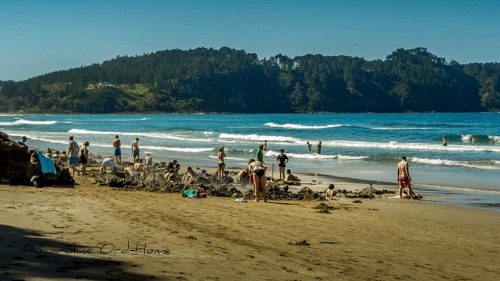
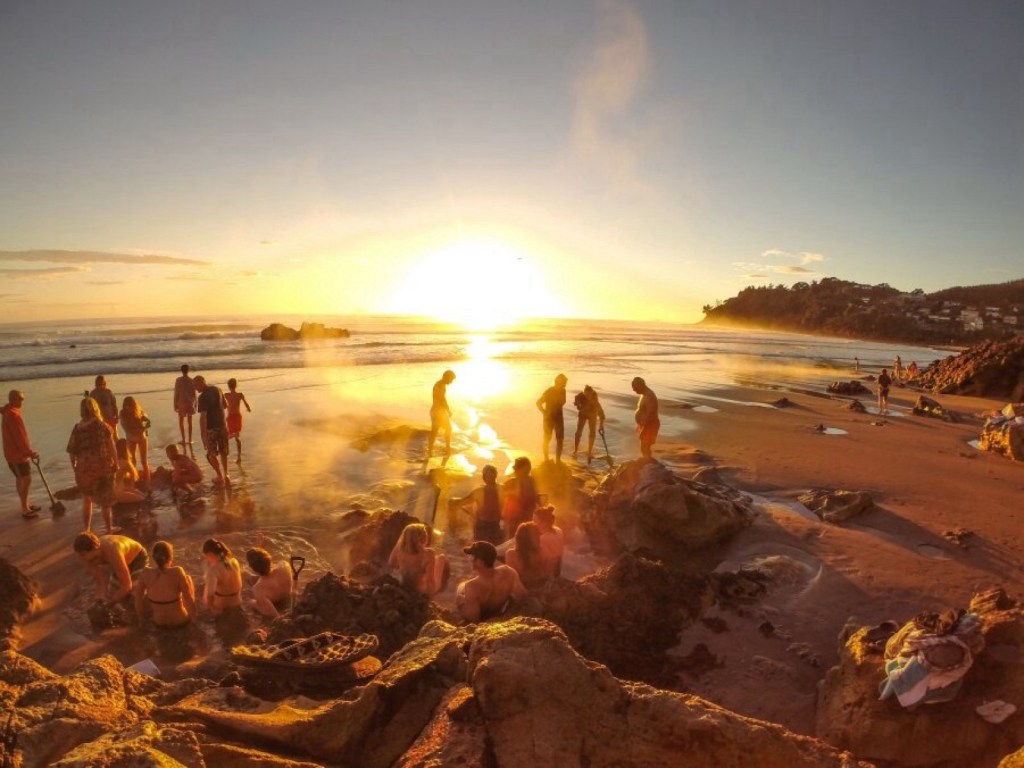
It was weird. You hire a spade, and find the area where everyone else is, and where steam is coming from the sand. Then you dig a hole, which fills with hot water, and sit in it. It was actually a lot of fun. Families and friends sat in circles and relaxed in the steamy water. Some areas were dangerously hot, up to 70 degrees celcius. You have to be careful where you step in bare feet.
New Zealand is a very volcanic country, with many hot springs and mud pools and sometimes terrible earthquakes. The 2011 Christchurch earthquake was a devastating natural disaster that struck the Southern city on 22 February 2011. Measuring 6.2 on the Richter scale, the earthquake caused widespread destruction. Buildings collapsed, infrastructure was severely damaged, and liquefaction—where saturated soil loses strength—affected large residential areas. Tragically, 185 people lost their lives, making it one of New Zealand’s deadliest modern disasters.
Are there earthquakes in Afghanistan?
 NZ Journal
Leave a comment